

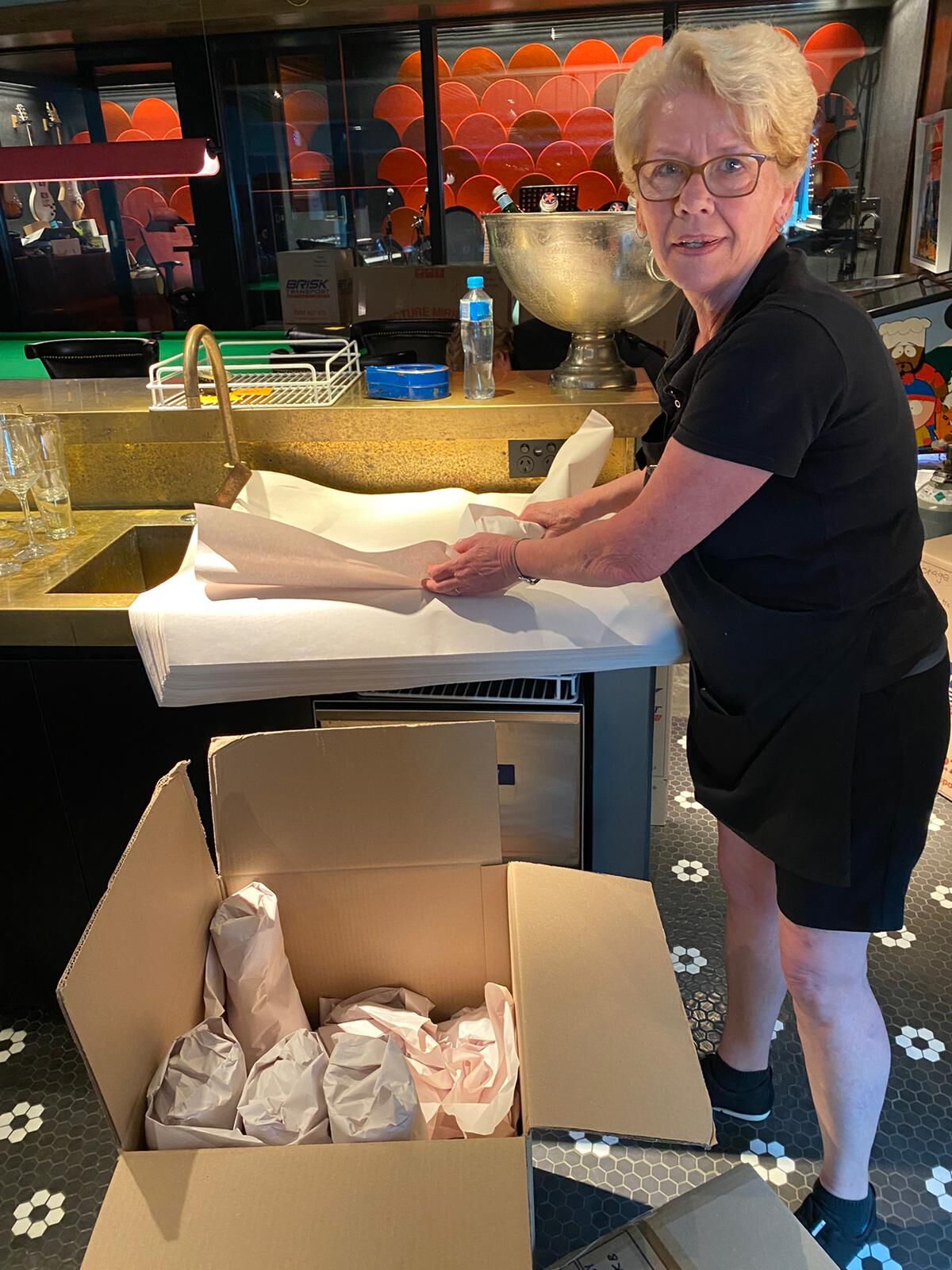
Key Takeaways
- Review all your belongings first: Walk through every room to assess what you own and decide what will move with you.
- Choose the right removal company: Pick movers that suit your type of move and get referrals and quotes before booking.
- Prepare your home for moving day: Arrange care for pets/children and check access/parking for the moving truck.
- Start packing early: Begin weeks ahead and have the right supplies ready.
- Keep essentials separate: Pack important items to take with you.
Moving house often feels simple at first. Then the packing begins, cupboards empty out, and suddenly it becomes clear just how much work is involved. Without preparation, a move can quickly become stressful, so let’s share with you some tips to make the entire process far more manageable.
1. Assess Everything You Own Before Planning the Move
Before organising boxes or contacting movers, take the time to review everything inside your home. Walk through each room, storage area, garage, and outdoor space. Most people underestimate how many belongings they actually have until they begin sorting through them.
Clarify Which Items Will Go to the New Home
Create a clear list of what will be moved and what will stay behind. This helps when discussing the move with a responsible Brisbane removalist, as the estimate will depend on the volume and weight of the items being transported. A clear inventory also helps avoid confusion later in the process.
Consider Whether Certain Items Are Worth Transporting
Some belongings may cost more to move than to replace. Older furniture, bulky equipment, or items that are rarely used may not be worth transporting, particularly during long-distance relocations. Review these items early to help reduce unnecessary costs and simplify the packing process.
Rehome or Dispose of Unwanted Belongings
Once you have decided which belongings will not be coming with you, place them in a separate space, such as your garage or a spare room. Keeping these items away from packed belongings prevents them from being accidentally included when the moving team begins loading boxes.
Many households choose to hold a garage sale before moving day to clear out unwanted items. Others sell furniture or household goods through online marketplaces.
Items that cannot be sold may still be useful to others through local charities or donation centres. Anything that cannot be reused should be disposed of responsibly before the move begins.
2. Select a Moving Company That Fits Your Situation
The type of move you are planning will influence the kind of moving company you need. Distance, home size, and the level of assistance required all play a role in determining which service is most suitable.
Identify the Type of Move You Are Planning
Some moves involve relocating within the same city, while others involve travelling hundreds of kilometres to a new state. Local moves may require only transport assistance, while larger relocations often involve packing, transport, and unloading services.
If you want to simplify the planning stage of your interstate move, look for proficient Melbourne to Brisbane removalists. Experienced teams can help ensure that logistics, transport planning, and timing are carefully coordinated throughout the relocation.
Ask for Referrals and Request Quotes
Speak with friends, family members, or real estate professionals who have recently moved. First-hand experiences often reveal how reliable and organised a company truly is.
Next, request quotes from the removalists recommended by friends and family. Skilled Brisbane removalists will usually conduct a detailed inventory of your belongings before providing an estimate. This may be done through an in-person visit or a virtual inspection.
3. Organise Your Household for Moving Day
Preparing the household ahead of time allows the moving team to work safely and efficiently once the day arrives. Small arrangements can prevent unnecessary disruptions.
Arrange Care for Children and Pets
Moving day often involves heavy lifting, open doors, and constant activity. Children and pets may unintentionally move into unsafe areas while movers are carrying furniture. Organising a babysitter or pet sitter helps create a safer environment for everyone involved.
Confirm Access and Parking for the Moving Truck
Access to the property should also be considered in advance. If you live in an apartment building or a busy neighbourhood, check where the moving truck will park and whether any access permissions are required.
4. Have a Clear Plan for Packing
Packing usually takes longer than people expect. Starting early and approaching the process step by step helps avoid the pressure of rushing everything at the last minute.
Begin Packing Well Before the Moving Date
Many households begin packing at least three weeks before the move. Preparation may begin even earlier by sorting belongings and gathering supplies. By beginning well before the moving date, you can pack carefully without interrupting daily routines.
Prepare Boxes and Packing Supplies in Advance
Having the right supplies available makes packing far easier. Boxes of different sizes, packing tape, protective wrapping, and markers for labelling should all be ready before packing begins. Properly sealed and labelled boxes reduce the risk of damage and make unpacking far simpler.
Start With Items You Rarely Use
Begin packing items that are not used daily, such as seasonal clothing, decorative items, or spare linens. This allows you to gradually pack the home without disrupting everyday activities.
When to Use Large and Smaller Boxes
Large boxes should hold lighter items such as pillows, bedding, or clothing. Filling them with heavy objects can cause the box to tear or make lifting difficult.
Heavier belongings, such as books, tools, and kitchen appliances, should be packed into smaller boxes. This helps keep the weight manageable and reduces the chance of damage.
Record Cable Connections Before Disconnecting Electronics
Taking photos of television cables, computer connections, and entertainment systems before unplugging them can save a lot of time later. When it comes time to reconnect everything in the new home, the images provide a quick reference.
Take Personal Valuables With You
When people move house, several individuals may be coming in and out of the property. To prevent confusion or misplaced belongings, it is best to keep small valuables with you rather than placing them inside moving boxes.
Keep Essentials Accessible for Your First Day
One step that many people forget is preparing a box of everyday necessities. This box should contain clothing, toiletries, medications, chargers, and any items you may need within the first day after arriving at your new home.
Prepare for a Smooth Transition to Your New Home
A well-organised move comes down to preparation. Reviewing your belongings early, choosing the right team of removalists, and packing methodically can reduce many of the common stresses associated with relocating.
If you are preparing for an interstate relocation, our capable Brisbane to Melbourne removalists are here to make each stage of the move easier to manage and far less overwhelming. Let us help ensure the transition between homes runs smoothly, with belongings arriving safely and according to schedule.
FAQs
What should I do first before moving house?
Start by creating a clear plan that outlines your timeline and main tasks. This includes booking a removalist, organising packing materials, and setting key dates for when things need to be completed. Early planning helps you stay organised and avoid last-minute stress. It also gives you time to compare options and make informed decisions. Having a structured approach ensures nothing important is overlooked as moving day approaches.
How can I stay organised before the move?
Organisation begins with packing systematically and labelling everything clearly. Pack one room at a time and keep similar items together. Creating an inventory list can also help you track your belongings. Keeping documents, bookings, and contact details in one place ensures easy access when needed. Staying organised early makes the entire moving process smoother and helps reduce confusion on moving day.
Should I declutter before moving house?
Yes, decluttering before a move can make a big difference. By removing items you no longer need, you reduce the volume of goods to pack and transport. This can save time and potentially lower moving costs. It also allows you to start fresh in your new home without unnecessary clutter. Sorting items early helps make packing more efficient and manageable.
What arrangements should I make before moving day?
Before moving day, confirm all bookings with your removalist and ensure access details are sorted. Arrange utilities for your new home and update your address with relevant services. You should also prepare essential items separately so they are easy to access. Taking care of these arrangements in advance helps avoid delays and ensures everything runs more smoothly on the day.
How can I reduce stress leading up to moving day?
Reducing stress comes down to preparation and pacing yourself. Spread tasks over several weeks rather than leaving everything to the last minute. Keep track of your progress and adjust your plan if needed. Asking for help or using professional services can also ease the workload. Staying organised and prepared helps you approach moving day with more confidence and less pressure.